
Notes from the mat.
Practical writing from our coaches and AMP families.
Parent questions, answered.
Short, direct answers to the things parents actually ask before walking into a Jiu-Jitsu academy.
Is Brazilian Jiu-Jitsu Safe for a 4-Year-Old?
Yes — there is no striking in BJJ. Here is why it is one of the safest martial arts for preschoolers, and what a good class looks like.
What Is the Best Martial Art for a Kid with ADHD?
BJJ channels high energy into focused problem-solving with immediate feedback. Here is why it works so well for kids with ADHD.
Jiu-Jitsu vs Karate vs Taekwondo for Kids: What Is the Difference?
BJJ is grappling with no striking; karate and taekwondo are striking arts. Here is what that means for your kid day-to-day.
How Much Does Brazilian Jiu-Jitsu Cost in Austin?
Most Austin BJJ memberships run roughly $100–$200/mo. Here is what drives the price, and how families save.
Can Parents and Kids Train Jiu-Jitsu Together?
Yes — and it is the whole reason AMP exists. Here is what training together as a family actually looks like.
Best Kids Martial Arts in Westlake, Cedar Park, and Baton Rouge
What to look for in a kids martial arts program — and where families in Westlake, Northwest Hills, Cedar Park, and Baton Rouge train.
How to Choose a Brazilian Jiu-Jitsu Gym for Your Family
Watch a class, meet the coaches, check the schedule, and ask about a real free trial. Here is a checklist parents actually use.
What to Wear (and Bring) to Your First Brazilian Jiu-Jitsu Class
A t-shirt, shorts or sweats, a water bottle, and an open mind. Here is the full first-day checklist.
Brazilian Jiu Jitsu Guide: 7 Proven Methods for Mastering Self-Defense and Building Confidence
We remember walking into our first training session, palms sweating and heart racing, wondering if we could handle what lay ahead. That feeling of uncertainty transformed into something powerful over the following months…
Brazilian Jiu-Jitsu for Beginners: How to Get Started
Picture yourself walking into a training facility where the energy feels different. You notice people of all ages working together, learning practical self defense skills while building strength and confidence. You’ve be…
Kids Martial Arts Benefits: Everything West Lake Hills Parents Need to Know
Children who practice martial arts develop into stronger, more confident individuals with better focus and self-control. We've witnessed countless young students transform through dedicated training, gaining essential li…
BJJ Competition Team | AMP Brazilian Jiu-Jitsu
At AMP BJJ, our BJJ Competition Team helps students push their limits, build confidence, and prepare for success at tournaments. Competition in Brazilian Jiu-Jitsu is about more than medals — it’s about growth, resilienc…
AMP BJJ Baton Rouge – Family Jiu-Jitsu Academy Now Open
We’re excited to announce that AMP BJJ is opening a new location in Baton Rouge, Louisiana this August! Located at 7731 Perkins Road, Suite 130, our newest Family Training Center brings the same heart, energy, and missio…
Preschool Brazilian Jiu-Jitsu Classes Northwest Hills Review
Parents across Northwest Hills are discovering something remarkable about preschool Brazilian Jiu-Jitsu classes in Northwest Hills. These programs transform shy, uncertain children into confident, disciplined young athle…
Adult Self-Defense Classes in Northwest Hills: Pro Tips
Are you getting everything you possibly can from your training sessions? Many people sign up for adult self-defense classes in Northwest Hills but miss out on the full benefits these programs offer. We see students who a…
Do You Make These Mistakes with Teens Self-Defense Classes in Northwest Hills?
Parents often think they know what works best when choosing teens self-defense classes in Northwest Hills for their children. However, many make critical mistakes that can actually harm their teen's confidence and safety…
How to Transform Your Child's Confidence Into Unshakeable Self-Assurance With Kids Self-Defense Classes in Northwest Hills
“Confidence is not a gift. You have to take it” – Edith Piaf. These words ring especially true when we watch our children navigate the challenges of growing up in today's world. Many parents in our community worry about …
7 Proven Methods for Building Safety Skills Through Preschool Self-Defense Classes in West Austin
Your child's safety is a priority that can't wait. Preschool self-defense classes in West Austin offer more than just protection skills. They build confidence, discipline, and physical awareness in your little one. These…
Winning Ways Program at AMP BJJ: Building Character Through Jiu-Jitsu
At AMP BJJ, we believe Jiu-Jitsu is more than just takedowns and techniques — it’s a path to building better humans. That’s why we created the Winning Ways program: a structured life skills curriculum designed to help ki…
Parent’s Guide to Brazilian Jiu-Jitsu for Kids | AMP BJJ
As a parent, you want your child to be confident, disciplined, respectful, and resilient. That’s why so many families are choosing Brazilian Jiu-Jitsu for kids as a powerful way to develop both physical and mental streng…
The Power of Parent-Child Conversations | AMP BJJ
Parent-child conversations are one of the most powerful tools for raising confident, emotionally strong kids. At AMP BJJ, we believe that simple, daily conversations between parents and children build trust, reinforce va…
Surprising Facts About Adult Martial Arts Classes in West Austin
Looking for adult martial arts classes in West Austin that fit your lifestyle and fitness goals? You're not alone. Many adults seek martial arts training not just for self-defense, but as a complete physical and mental t…
How to Master Teens Martial Arts Classes in West Austin in 5 Days
Believe it or not, your teen can make incredible progress in teens martial arts classes in West Austin with just 5 days of focused training. Most parents assume martial arts mastery takes years, but the fundamental skill…
Kids Martial Arts Classes in West Austin: A Beginner's Guide
You're looking for more than just a physical activity for your child – you need a complete developmental program. Kids martial arts classes in West Austin offer the perfect blend of fun and growth, building both body and…
Amazing Benefits of Preschool Martial Arts in West Austin
Your preschooler can become more confident, focused, and physically stronger through preschool martial arts classes in West Austin. Unlike traditional activities that only develop certain skills, martial arts for prescho…
Avoid These Mistakes in Kids Summer Camp in West Lake Hills!
Planning a kids summer camp in West Lake Hills can be exciting and challenging. We often face the daunting task of ensuring our children have a safe, fun, and educational experience. However, without proper knowledge and…
AMP BJJ Training Policies: Respect, Safety & Clean Training
AMP BJJ TRAINING POLICIES
AMP BJJ: WHO WE ARE
At AMP BJJ, we are more than just a Brazilian Jiu-Jitsu gym—we are a family-friendly training center dedicated to helping people of all ages build confidence, discipline, and self-defense skills through BJJ training in A…
Discover Teens Martial Arts Classes in West Lake Hills!
Picture this: your teen comes home energized, confident, and ready to take on the world after attending teens martial arts classes in West Lake Hills. If you're wondering why so many parents rave about it, you're in good…
Ecological Dynamics Jiu-Jitsu Gyms Around the World
Jiu-Jitsu training is evolving. More and more academies are moving away from rigid, traditional methods and embracing Ecological Dynamics-based coaching—a scientifically-backed approach that enhances real-world applicati…
BJJ Globetrotters: Train Worldwide, Stay Connected
At AMP BJJ, we’re excited to announce our affiliation with BJJ Globetrotters, a worldwide network of Jiu-Jitsu academies that share our values of open training, inclusivity, and skill development.
Seminar with Chris "The Villain" Paines at AMP BJJ
Unlock the Secrets of Control and Dominance with the Chris Paines Seminar
Kids And Parents Martial Arts Classes In West Lake Hills: How To Strengthen Your Bond And Skills
Imagine a place where you and your child can learn new skills, build confidence, and strengthen your bond all at the same time. Kids and parents martial arts classes in West Lake Hills offer just that experience. With ev…
AMP BJJ’s Parents Night Out!
Are you looking for a fun and safe way to enjoy a night out while ensuring your kids have a blast? AMP BJJ’s Parents Night Out offers the perfect solution! Our event creates an engaging environment where your children ca…
The Beginner's Guide to Preschool Martial Arts Classes in West Lake Hills
Imagine watching your little one grow stronger, more focused, and disciplined while having a ton of fun. That's what preschool martial arts classes in West Lake Hills offer. These classes help your child develop essentia…
Master Adult Self-Defense Classes in Austin Now!
You might think mastering adult self-defense classes in Austin is just about learning to defend yourself. However, it goes far beyond that. For example, did you know that participants in these classes often experience an…
AMP BJJ In-House Tournament: Putting It All Together
AMP BJJ In-House Tournament: Putting It All Together
Family Programs at AMP BJJ
At AMP BJJ, we believe Brazilian Jiu-Jitsu is more than a martial art—it's a way to bring families closer together. Our family-focused programs are designed to create opportunities for parents and children to bond, impro…
Community Values at AMP BJJ: Stronger Bonds On and Off the Mat
At AMP BJJ, we’re more than just a Brazilian Jiu-Jitsu academy—we’re a family. Our mission goes beyond teaching techniques; we aim to create a supportive community where students of all ages can grow together, both as ma…
Training Methods at AMP BJJ: Ecological Dynamics Approach
At AMP BJJ, we pride ourselves on offering a unique training experience that sets us apart from traditional martial arts schools. Our innovative Ecological Dynamics Approach transforms the way students learn Brazilian Ji…
Why We Named Our Studio AMP BJJ
At AMP BJJ, we are more than just a Brazilian Jiu-Jitsu studio—we are a community focused on amplifying every aspect of your Jiu-Jitsu experience. When deciding on a name, we wanted something that represented the intensi…
Best Teens Self-Defense Classes in Austin Revealed!
In the vibrant city of Austin, our teens can gain more than just physical strength; they can also build confidence and resilience through teens self-defense classes in Austin. These classes aren't just about learning to …
Discover Kids Self-Defense Classes in Austin Today!
You're about to discover why so many parents in Austin are thrilled about kids' self-defense classes. These aren't just lessons in kicking and blocking; they're an incredible opportunity for your child to build self-conf…
Feel Secure with Preschool Self-Defense Classes in Austin!
Feeling secure in today's world starts early, and that's why many parents in Austin are exploring preschool self-defense classes in Austin. You might wonder how self-defense can be suitable for preschoolers. The truth is…
Hacks for Adult Martial Arts Classes in Austin
Exploring adult martial arts classes in Austin? You're on a path to discovery that combines fitness, discipline, and self-defense. Whether you're a complete beginner or someone looking to refine their skills, these class…
Teens Martial Arts Classes in Austin: 5 Must-Know Trends!
Imagine setting off on a journey where every step teaches skills that shape not only the body but the mind and soul. That's what Teens Martial Arts Classes in Austin offer to our young adventurers. These classes aren't j…
Transform Your Child with Kids Martial Arts Classes in Austin
Our journey with kids martial arts classes in Austin might be the first step in transforming your child's life. Imagine seeing your child develop self-discipline, self-confidence, and physical fitness all while having fu…
Discover the Best Preschool Martial Arts Classes in Austin
Are you looking for a fun and engaging way to boost your preschooler's confidence, focus, and physical fitness? Look no further than preschool martial arts classes in Austin! Imagine your little one learning ancient tech…
AMP BJJ Provides Martial Arts Classes in Austin for the Whole Family
AMP BJJ is renowned for martial arts classes in Austin for preschool, kids, teens, and adults. You will find a number of fun-filled classes including:
More from the AMP archive

Self Defense Classes for Beginners: What to Know Before You Start
Safety is something we all think about, but few of us actually prepare for. Self defense classes for beginners do more than teach you how…

Martial Arts Fundamentals: A Beginner's Guide to Core Skills, Training Habits, and Class Confidence
What if the biggest mistake beginners make in martial arts is skipping the basics? Many people jump straight into sparring or advanced moves…

Brazilian Jiu Jitsu Guide: 7 Proven Methods for Mastering Self-Defense and Building Confidence
We remember walking into our first training session, palms sweating and heart racing, wondering if we could handle what lay ahead…

Brazilian Jiu-Jitsu for Beginners: How to Get Started
Picture yourself walking into a training facility where the energy feels different. You notice people of all ages working together…

Kids Martial Arts Benefits: Everything Westlake Hills Parents Need to Know
Children who practice martial arts develop into stronger, more confident individuals with better focus and self-control…

BJJ Competition Team | AMP Brazilian Jiu-Jitsu
At AMP BJJ, our BJJ Competition Team helps students push their limits, build confidence, and prepare for success at tournaments…

AMP BJJ Baton Rouge – Family Jiu-Jitsu Academy Now Open
We're excited to announce that AMP BJJ is opening a new location in Baton Rouge, Louisiana! Located at 7731 Perkins Road, Suite 130…

Preschool Brazilian Jiu-Jitsu Classes Northwest Hills Review
Parents across Northwest Hills are discovering something remarkable about preschool Brazilian Jiu-Jitsu classes…

Adult Self-Defense Classes in Northwest Hills: Pro Tips
Are you getting everything you possibly can from your training sessions? Many people sign up for adult self-defense classes but miss out…

Do You Make These Mistakes with Teens Self-Defense Classes in Northwest Hills?
Parents often think they know what works best when choosing teens self-defense classes. However, many make critical mistakes…

How to Transform Your Child's Confidence With Kids Self-Defense Classes in Northwest Hills
"Confidence is not a gift. You have to take it." These words ring especially true when we watch our children navigate the world…

7 Proven Methods for Building Safety Skills Through Preschool Self-Defense Classes in West Austin
Your child's safety is a priority that can't wait. Preschool self-defense classes offer more than just protection skills…

Winning Ways Program at AMP BJJ: Building Character Through Jiu-Jitsu
At AMP BJJ, we believe Jiu-Jitsu is more than just takedowns and techniques — it's a vehicle for life skills and character…
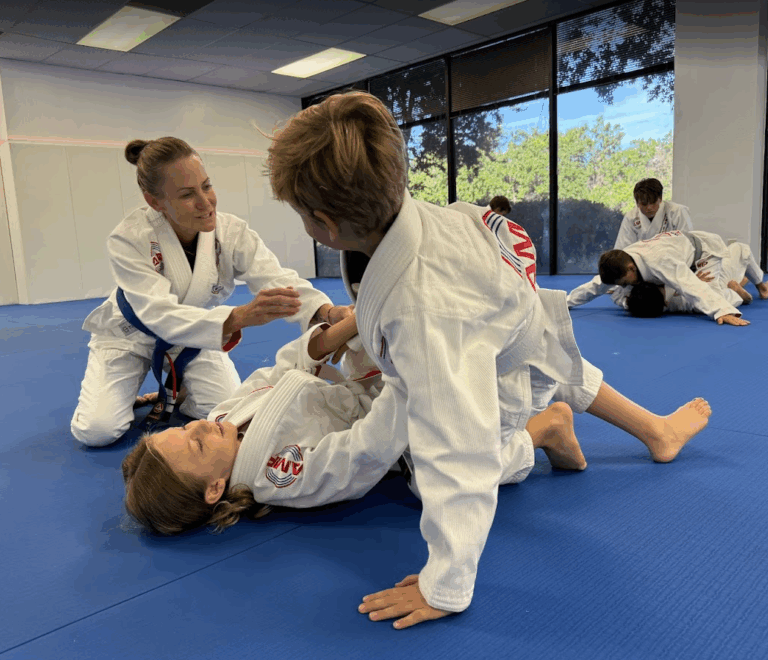
Parent's Guide to Brazilian Jiu-Jitsu for Kids | AMP BJJ
As a parent, you want your child to be confident, disciplined, respectful, and resilient. That's why so many families choose BJJ…

The Power of Parent-Child Conversations | AMP BJJ
Parent-child conversations are one of the most powerful tools for raising confident, emotionally healthy kids…

Surprising Facts About Adult Martial Arts Classes in West Austin
Looking for adult martial arts classes in West Austin that fit your lifestyle and fitness goals? You're not alone…

How to Master Teens Martial Arts Classes in West Austin in 5 Days
Believe it or not, your teen can make incredible progress in teens martial arts classes with just 5 days of focused training…

Kids Martial Arts Classes in West Austin: A Beginner's Guide
You're looking for more than just a physical activity for your child — you need a complete developmental program…

Amazing Benefits of Preschool Martial Arts in West Austin
Your preschooler can become more confident, focused, and physically stronger through preschool martial arts classes…

Avoid These Mistakes in Kids Summer Camp in Westlake Hills!
Planning a kids summer camp in Westlake Hills can be exciting and challenging. We often face the daunting task of…

AMP BJJ Training Policies: Respect, Safety & Clean Training
At AMP BJJ, we believe that a safe, clean, and respectful environment is key to creating the best training experience for everyone…
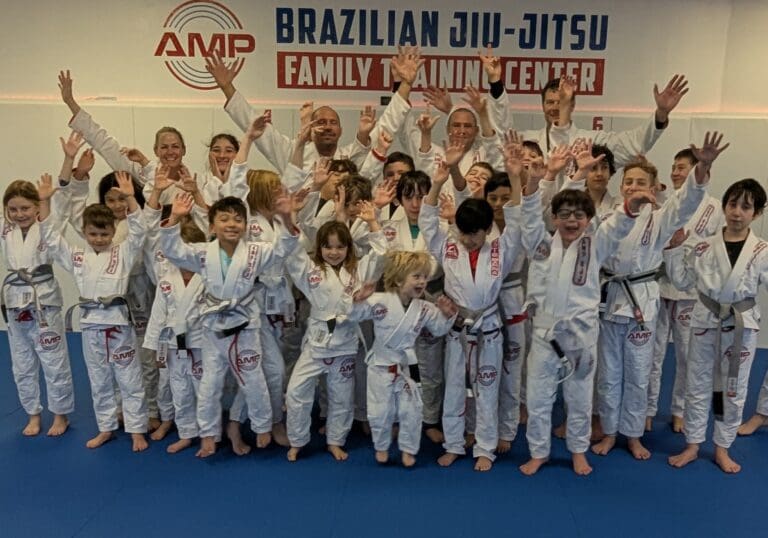
AMP BJJ: WHO WE ARE
At AMP BJJ, we are more than just a Brazilian Jiu-Jitsu gym—we are a family-friendly training center dedicated to helping people of all ages…

Discover Teens Martial Arts Classes in Westlake Hills!
Picture this: your teen comes home energized, confident, and ready to take on the world after attending teens martial arts classes…

Ecological Dynamics Jiu-Jitsu Gyms Around the World
Jiu-Jitsu training is evolving. More and more academies are moving away from rigid, traditional methods and embracing Ecological Dynamics…

BJJ Globetrotters: Train Worldwide, Stay Connected
At AMP BJJ, we're excited to announce our affiliation with BJJ Globetrotters, a worldwide network of Jiu-Jitsu academies…
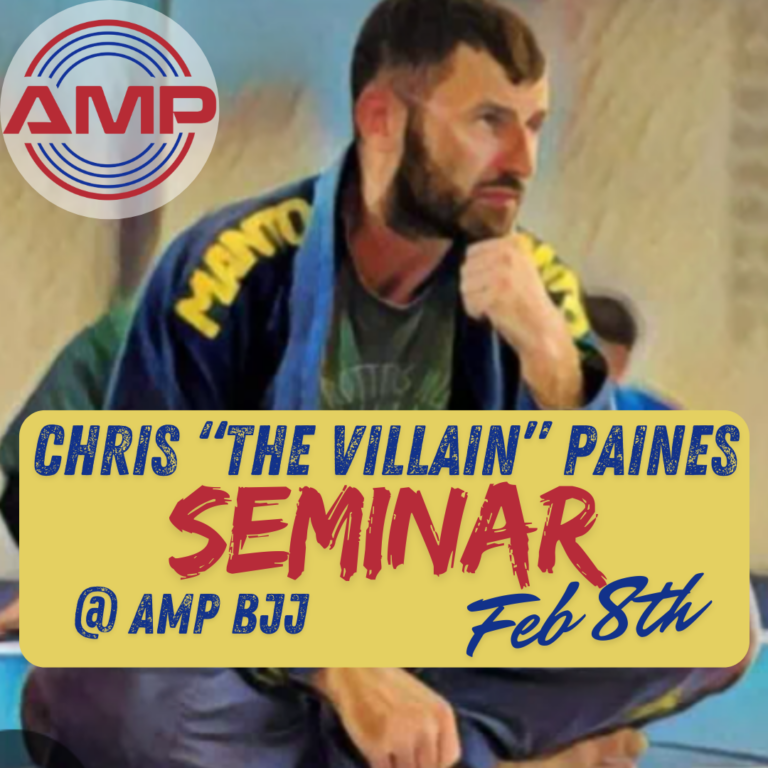
Seminar with Chris "The Villain" Paines at AMP BJJ
Unlock the Secrets of Control and Dominance with the Chris Paines Seminar. Get ready, AMP BJJ family!

Kids And Parents Martial Arts Classes In Westlake Hills: How To Strengthen Your Bond And Skills
Imagine a place where you and your child can learn new skills, build confidence, and strengthen your bond all at the same time…

AMP BJJ's Parents Night Out!
Unwind and Recharge with AMP BJJ's Parents Night Out! A fun and safe way to enjoy a night out while the kids train…

The Beginner's Guide to Preschool Martial Arts Classes in Westlake Hills
Imagine watching your little one grow stronger, more focused, and disciplined while having a ton of fun…

Master Adult Self-Defense Classes in Austin Now!
You might think mastering adult self-defense classes in Austin is just about learning to defend yourself. However, it goes far beyond that…

AMP BJJ In-House Tournament: Putting It All Together
At AMP BJJ, every training cycle is more than just a series of classes—it's a journey of growth, connection, and celebration…

Family Programs at AMP BJJ
Train Together, Grow Together. At AMP BJJ, we believe Brazilian Jiu-Jitsu is more than a martial art—it's a way to bring families closer…

Community Values at AMP BJJ: Stronger Bonds On and Off the Mat
At AMP BJJ, we're more than just a Brazilian Jiu-Jitsu academy—we're a family. Our mission goes beyond teaching techniques…

Training Methods at AMP BJJ: Ecological Dynamics Approach
Ecological Dynamics Approach: Revolutionizing Brazilian Jiu-Jitsu learning. A unique training experience that sets us apart…

Why We Named Our Studio AMP BJJ
Amplifying Your Brazilian Jiu-Jitsu Experience. At AMP BJJ, we are more than just a studio—we are a community focused on amplifying every aspect of your training…

Best Teens Self-Defense Classes in Austin Revealed!
In the vibrant city of Austin, our teens can gain more than just physical strength; they can also build confidence and resilience…

Discover Kids Self-Defense Classes in Austin Today!
You're about to discover why so many parents in Austin are thrilled about kids' self-defense classes…

Feel Secure with Preschool Self-Defense Classes in Austin!
Feeling secure in today's world starts early, and that's why many parents in Austin are exploring preschool self-defense classes…

Hacks for Adult Martial Arts Classes in Austin
Exploring adult martial arts classes in Austin? You're on a path to discovery that combines fitness, discipline, and self-defense…

Teens Martial Arts Classes in Austin: 5 Must-Know Trends!
Imagine setting off on a journey where every step teaches skills that shape not only the body but the mind and soul…

Transform Your Child with Kids Martial Arts Classes in Austin
Our journey with kids martial arts classes in Austin might be the first step in transforming your child's life…

Discover the Best Preschool Martial Arts Classes in Austin
Are you looking for a fun and engaging way to boost your preschooler's confidence, focus, and physical fitness?

AMP BJJ Provides Martial Arts Classes in Austin for the Whole Family
AMP BJJ is renowned for martial arts classes in Austin for preschool, kids, teens, and adults…